• Skip to primary navigation
  • Skip to main content
  • Skip to primary sidebar
Lake Merritt Institute

Lake Merritt Institute

Stewards since 1992

  • Our Work
    • For Educators
    • Impact – Trash Report
    • Water Quality Data
  • Support Us
    • Support Us
    • Volunteer
  • News
    • Subscribe to our newsletter
    • The Tidings Editorial
    • Blog
    • Events
  • Contact
    • Contact Us
    • Board Of Directors
    • Staff
  • Donate
Home/Updates/Yellow Slick on the Water? It’s Not Sewage — It’s Springtime Pollen

Yellow Slick on the Water? It’s Not Sewage — It’s Springtime Pollen

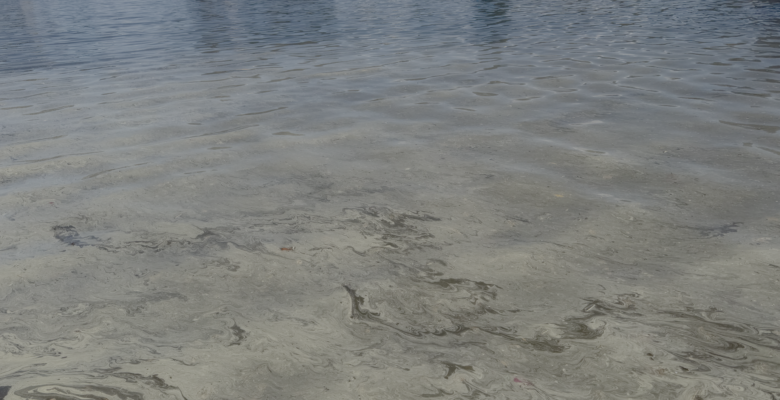
Each year, as winter shifts toward spring, visitors to Lake Merritt sometimes spot a bright yellow film drifting across the water’s surface. The sight can be unsettling. Is it sewage? Paint? Chemical runoff?

In most cases, the explanation is far less alarming: it’s pollen. Acacia pollen grains are relatively large — about 30–70 micrometers in size — and often appear in clustered groupings called polyads, containing 16 to 32 grains. Unlike many tree pollens that disperse widely on the wind, acacia pollen is primarily transferred by bees, which limits its constant presence in the air. However, during peak blooming season, fallen blossoms and localized air movement can still carry enough pollen into nearby water to create visible yellow streaks or slicks.

Although the film can look artificial or even oily, it is a natural and generally non-toxic occurrence. These seasonal blooms do not typically pose a long-term threat to aquatic ecosystems and usually fade as flowering ends and weather conditions change.

Because several acacia trees line the lake’s shoreline, pollen and flower debris have a direct path into the water each year. The result can be visually dramatic but short-lived.

So when a yellow sheen appears on the lake, there is usually little reason for alarm. More often than not, it is simply a seasonal signal — pollen marking the arrival of spring rather than evidence of pollution.

Written by:
James Robinson
Published on:
March 25, 2026
Thoughts:
No comments yet

Categories: Updates

Reader Interactions

Leave a Reply Cancel reply

Your email address will not be published. Required fields are marked *

Primary Sidebar

Learn More!

What is Lake Merritt?

Our Watershed

Wildlife

History

Detailed Evaluations

Amec_Report

More On Our Watershed

Trash & Bacteria Totals

Aeration Fountains

Storm Drains

Filters & Nets


More Wildlife Fun Facts!

The Lake’s Winter Birds

Algae & Widgeon Grass

The People Of LMI

Board Of Directors

Staff

Portrait of a Polluter

The Lake Merritt Mermaid

Footer

Copyright © 2026 · Lake Merritt Institute
Images may not be used without the express written permission of Lake Merritt Institute.
The Lake Merritt Institute is a 501(c)3 non-profit charity · Est. 1992 · EIN 94-3214160
We are sponsored by the City of Oakland and supporters like you.
Donate · WordPress · Log in